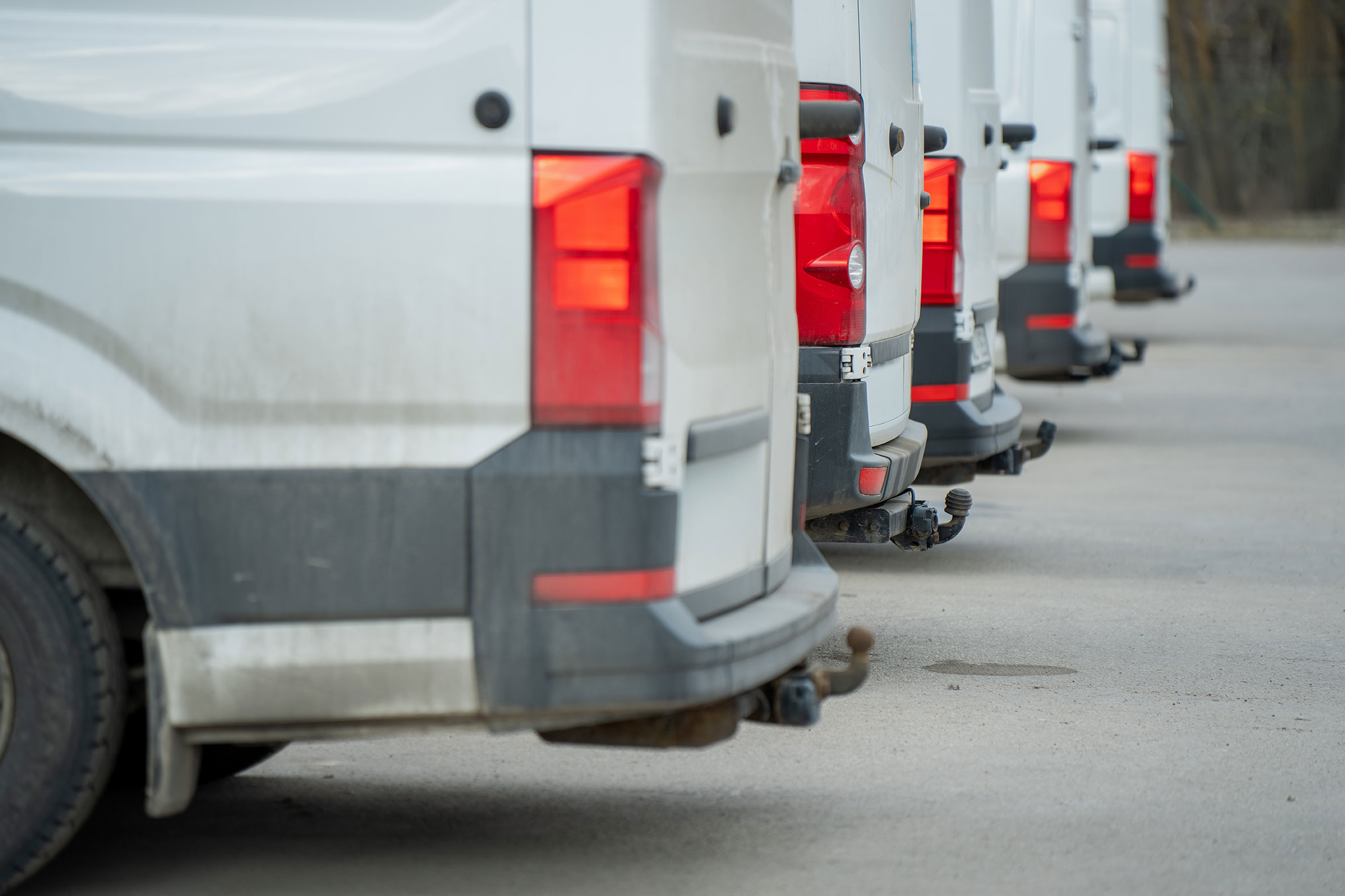
One Commercial Vehicle Stolen Every Hour: The Reality of Van Theft in Italy
An early start, a quick coffee, then you head outside to load the last few tools into your van — only to find that it is gone. Or perhaps the van is still there, but the rear doors have been forced open and cut through like tin cans.
For a tradesperson, courier or installer, this is not simply a financial loss. It means vehicle downtime that can bring an entire business to a standstill, disrupt scheduled jobs, cause missed deadlines and wipe out thousands of euros’ worth of professional equipment.
Data from industry reports, including analyses by Viasat and monitoring carried out by the Transported Asset Protection Association (TAPA), highlights a serious situation both in Italy and across Europe. These are not isolated incidents: commercial vehicle and cargo theft has become a profitable business for organised crime.
The Scale of the Problem: What the Statistics Tell Us
The figures leave little room for interpretation: in Italy, an average of one heavy or commercial vehicle is stolen every hour. This consistent rate places the country among Europe’s most affected areas when it comes to cargo and commercial vehicle theft.
The problem can mainly be divided into two types of crime:
- Whole vehicle theft: The van is stolen either to be resold abroad or, more commonly, dismantled and sold through illegal spare-parts markets.
- Cargo theft or “raids”: The vehicle is broken into overnight or during delivery stops. In many cases, thieves are not interested in the van itself, but in what is stored inside: branded power tools, copper cables, boilers, construction materials or goods ready for delivery.
The Italian regions most affected include Puglia, Lombardy, Campania and Lazio, all key areas for freight transport and regions with a high concentration of tradespeople, logistics companies and commercial activities.
Why Are Vans a Favourite Target for Thieves?
A standard van straight from the dealership has one major structural vulnerability: its factory-fitted locks.
Standard locking systems are primarily designed for convenience — central locking, remote controls and electronic keys — rather than to withstand brute-force attacks or fast break-in techniques.
An experienced thief may be able to compromise the rear or side door of a standard van in less than 30 seconds using relatively simple tools, such as a screwdriver used as a lever, modified lock-picking tools or by drilling through specific points in the bodywork to access the internal locking mechanism.
For companies and professionals specialising in van conversions and fittings, door security can no longer be treated as an optional feature to be added at the end. Instead, it should be considered a fundamental part of the entire mobile workshop design.
The True Cost of Van Theft: The Hidden Costs
When a van is stolen or broken into, the initial calculation of the financial damage is often incomplete. Most people immediately focus on the value of the vehicle or the equipment that has disappeared.
However, the real financial impact often comes from the indirect costs associated with the theft:
- Vehicle downtime: Days or even weeks may be lost while waiting for repairs, replacement vehicles or insurance compensation. During this period, the business may be unable to generate its usual revenue.
- Insurance excess and coverage limitations: Cargo and theft insurance policies rarely cover 100% of the total loss, particularly when tools or equipment stored inside the vehicle are considered to have been “insufficiently secured”.
- Damage to your reputation: Delays on a construction site or failure to complete a scheduled delivery can damage the relationship of trust built with an important customer.
For a professional who relies on a van every day, the consequences can therefore extend far beyond the cost of replacing a broken lock or stolen equipment.
How to Turn the Situation Around: Beyond Passive Prevention
Parking in well-lit areas, avoiding isolated locations and never leaving a vehicle unattended for long periods over the weekend are all good practices. However, these precautions alone are no longer enough when dealing with organised groups capable of breaking into a vehicle within minutes.
One of the most effective ways to protect a working vehicle is to install additional mechanical or smart security locks.
Creating a visible and structural obstacle on the vehicle body can significantly increase the difficulty of a break-in. A van protected by additional locking systems requires more time, more tools and potentially more noise to access, increasing the risk for the thief and making the vehicle a far less attractive target.
The objective is not simply to add another lock. It is to create an additional layer of security between the criminal and the valuable equipment stored inside the vehicle.
For tradespeople, couriers, technicians and other professionals who depend on their vans every day, cargo security is not merely an additional expense. It is an essential part of protecting business continuity, productivity and the tools required to keep working.
Protecting a commercial vehicle ultimately means protecting the business that depends on it.